

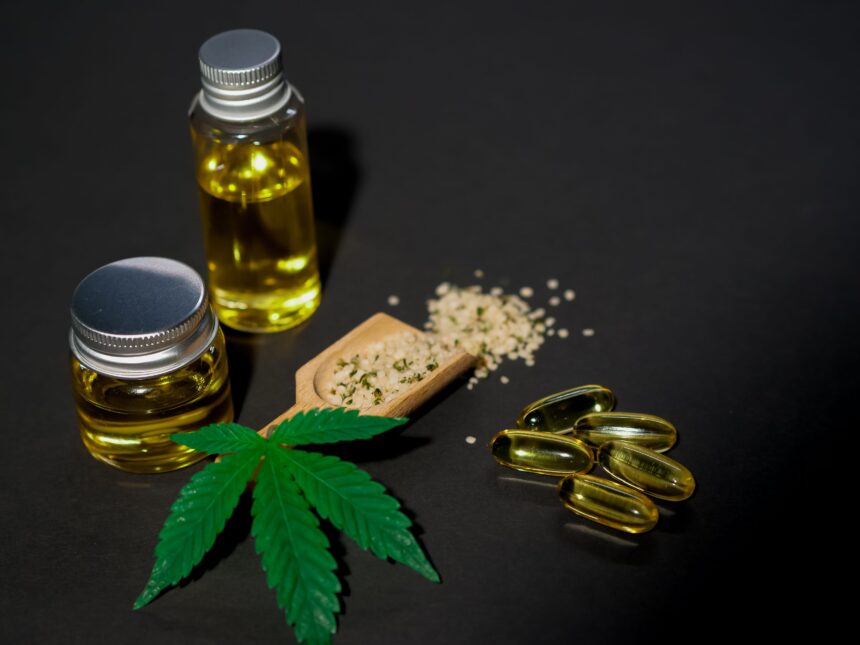
Because delta-9-THC, CBD, and minor cannabinoids are lipophilic and virtually insoluble in water, their bioavailability hinges on the efficiency of lipid extraction across different carrier fats.
Infusing culinary fats with botanical cannabis has transitioned from counter-culture trial-and-error into an empirical discipline of solvent chemistry. When home cooks or commercial confectioners craft infused baked goods, gummies, or topicals, the single greatest variable governing finished potency is not plant quality alone—it is the molecular affinity between cannabinoids and carrier fatty acid chains.
Because delta-9-tetrahydrocannabinol (THC), cannabidiol (CBD), and minor cannabinoids are lipophilic and virtually insoluble in water, their bioavailability hinges on the efficiency of lipid extraction. Understanding why different dietary fats absorb active compounds at radically different rates allows extractors to eliminate waste and guarantee portion consistency.
1. Fatty Acid Profiles: MCTs vs. Long-Chain Triglycerides
Different culinary carriers possess distinct lipid architectures that directly govern their cannabinoid recovery rates:
- Refined Coconut Oil and MCT Oil (75% to 85% Extraction Efficiency): Medium-chain triglycerides (MCTs)—primarily caprylic (C8) and capric (C10) acids—are significantly shorter than standard vegetable oils. Their compact molecular structures allow rapid encapsulation of hydrophobic cannabinoid molecules. Furthermore, MCTs bypass traditional lymphatic absorption and are metabolized directly by the liver, accelerating onset time.
- Dairy Butter (60% to 70% Extraction Efficiency): Standard commercial butter is composed of roughly 80% to 82% milk fat, 16% to 18% water, and 1% to 2% milk proteins (whey and casein). When heating unclarified butter with cannabis flower, the suspended water acts as a thermal buffer and partially shields cannabinoids from dissolving into lipid micelles, lowering extraction yield unless the butter is first clarified into pure ghee.
- Extra Virgin Olive Oil (65% to 75% Extraction Efficiency): Composed predominantly of oleic acid (a monounsaturated C18:1 fatty acid), olive oil provides moderate solubility and superb resistance to oxidation, making it the preferred solvent for sublingual tinctures and culinary dressings.
2. The Temperature and Time Envelope
Thermal stability is paramount during lipid infusion. Once raw botanical material has undergone initial thermal decarboxylation (cleaving THCA into active THC at roughly 105°C to 115°C), subsequent lipid binding should occur between 75°C and 85°C for 2 to 4 hours.
Exceeding 100°C during the infusion phase does not increase cannabinoid yield; instead, it accelerates the oxidative conversion of THC into cannabinol (CBN), inducing heavy sedation, while scorching delicate terpenes like myrcene, beta-caryophyllene, and limonene.
3. Calculating Retained Infusion Potency
Even with optimal temperature control, a significant portion of active oil remains physically trapped within the fibrous botanical matrix after filtration. Typical home pressing using mesh sieves leaves behind 15% to 25% of the total infused lipid volume.
To compute true usable milligrams rather than theoretical starting mass, culinary formulators rely on an online edible dosage calculator. Factoring starting flower weight, lab-tested cannabinoid percentages, thermal decarboxylation yield (0.877 molar ratio), and carrier recovery percentages delivers predictable dosing per square or teaspoon.
4. Precision Dosing Framework
Standardizing edible portioning protects consumer safety and ensures reproducible therapeutic results:
- Low Dose (2.5 to 5 mg THC): Mild relaxation, anxiety reduction, and subtle social enhancement; recommended for beginner adult consumers.
- Standard Dose (10 to 15 mg THC): Substantial body relaxation, analgesia, and altered sensory perception for individuals with average tolerance.
- Clinical Tier (20 mg+ THC): Suitable for high-tolerance medical patients managing chronic neuropathy or severe sleep disturbances.
To access comprehensive laboratory thermal charts, carrier comparison matrices, and interactive calculators for both oil and ethanol extraction methods, explore the open-source botanical extraction calculators.